





Minneapolis weather is brutal on heating and cooling systems. Winter temperatures drop well below zero for weeks at a time, forcing furnaces to run nonstop. Summer humidity spikes above 70%, making air conditioners work overtime to maintain comfort. This climate puts extreme stress on HVAC equipment.
The freeze-thaw cycle that defines Minnesota winters creates unique challenges. Temperature swings of 40 degrees in a single day are common from March through April and October through November. These rapid changes force your system to switch between heating and cooling modes, accelerating wear on components like thermostats, contactors, and reversing valves.
Minneapolis sits in a humid continental climate zone. That means you face subfreezing temperatures from November through March, but also muggy summers where heat indexes climb above 100 degrees. Your HVAC system has to handle both extremes reliably. When equipment fails during a cold snap or heatwave, it's not just uncomfortable. It's dangerous for young children, elderly family members, and pets. Frozen pipes can burst. Heat exhaustion becomes a real threat. Most Minneapolis homes were built between 1940 and 1980, and many still rely on original ductwork or aging furnaces. These older systems need more frequent maintenance and are prone to sudden failure. That's why having a trusted local HVAC company matters in this city.
All Pro HVAC Minneapolis was built to serve this city. We're not a national franchise with out-of-state call centers and rotating technicians. We're local professionals who live in the same neighborhoods we service, and we understand what Minneapolis homes need.
Our team has spent years working with the housing stock that defines this metro. We know the quirks of 1950s bungalows in South Minneapolis with undersized ductwork. We've replaced countless original furnaces in St. Louis Park split-levels. We've retrofitted central air into hundred-year-old homes in Linden Hills where attic access is tight and electrical panels need upgrading before installation.
We run 24-hour emergency service because HVAC failures don't follow a schedule. When your furnace quits on a Sunday night in January and temperatures are forecast to hit negative 15, you can't wait until Monday morning. We dispatch immediately, arrive fast, and come prepared. Our trucks carry the parts that fail most often in Minneapolis systems. That means we fix problems on the first visit instead of ordering parts and leaving you without heat.
We believe in upfront pricing. Before we start work, you know exactly what it costs. No hidden fees, no surprise charges when the job is done. If we find additional problems during a repair, we explain what's wrong, why it matters, and what it costs to fix. Then you decide. We don't push unnecessary services or scare you into upgrades you don't need.
Our technicians are trained, licensed, and background-checked. We don't send apprentices to complex jobs or let inexperienced techs handle your emergency. The person who shows up at your door has the knowledge and tools to diagnose problems accurately and fix them right the first time.

HVAC emergencies happen at the worst times. We dispatch technicians around the clock, every day of the year. When your system fails at midnight or on a holiday, we answer the phone and send help immediately. Minneapolis winters are too dangerous to wait.

You know the cost before work begins. We diagnose the problem, explain what's broken, and give you a fixed price to repair it. No hourly rates that climb unexpectedly. No surprise charges when the job is done. Just honest, transparent pricing.
Our trucks carry the parts that fail most often in Minneapolis HVAC systems. Blower motors, capacitors, thermostats, contactors, igniters, and more. We fix problems on the first visit instead of ordering parts and leaving you waiting. Same-day repairs are standard.
We know this city's homes. From post-war bungalows to modern new builds, we've worked on the systems that heat and cool Minneapolis neighborhoods. Our technicians understand local building codes, climate challenges, and the equipment that performs best in this region.
All Pro HVAC Minneapolis handles every aspect of home comfort systems. Whether your furnace is making strange noises, your air conditioner stopped cooling, or you need a complete system replacement, we have the expertise to help. Our services cover emergency repairs, routine maintenance, system installations, and indoor air quality improvements.
We work on all major brands and all fuel types. Gas furnaces, electric heat pumps, oil boilers, central air conditioners, ductless mini-splits, and hybrid systems. If it heats or cools your Minneapolis home, we service it. Our technicians stay current on the latest equipment and diagnostic techniques through ongoing training. That means we can troubleshoot complex problems other companies miss and recommend solutions that actually fit your home and budget.
Minneapolis homeowners need HVAC service they can count on throughout the year. Furnace breakdowns in winter are dangerous. AC failures in summer are miserable. Preventive maintenance catches small problems before they become expensive emergencies. We offer all three service levels to keep your home comfortable no matter what the season brings.
Your heating or cooling system quit working and your home is becoming uncomfortable. We respond immediately with fully stocked trucks and experienced technicians ready to diagnose and repair the problem. Most repairs are completed the same day. We fix blower motors, compressors, heat exchangers, refrigerant leaks, electrical failures, and control board malfunctions. Emergency service is available 24 hours a day, seven days a week. When your family needs comfort restored right now, we deliver.
Replacing your HVAC system is a major investment. We help you choose equipment sized correctly for your home and matched to Minneapolis climate demands. Our installations include proper load calculations, ductwork modifications if needed, new thermostats, and complete system testing. We install high-efficiency furnaces, central air conditioners, heat pumps, and ductless mini-split systems. Every installation is performed to manufacturer specifications and local code requirements. You get reliable comfort and maximum efficiency from day one.
Regular maintenance keeps your system running efficiently and catches problems before they cause breakdowns. Our tune-ups include cleaning blower assemblies, checking refrigerant levels, testing electrical components, inspecting heat exchangers, calibrating thermostats, and replacing filters. We recommend maintenance twice a year in Minneapolis - furnace service in fall before heating season, and AC service in spring before cooling season. Maintained systems last longer, use less energy, and fail less often. We offer maintenance plans with priority scheduling and discounted service.
Minneapolis climate extremes create specific HVAC challenges. The equipment in your home works harder than systems in milder regions, and certain problems show up repeatedly across the metro area. Understanding these common issues helps you recognize warning signs before minor problems become expensive failures.
Our technicians respond to hundreds of service calls across Minneapolis every year. We see patterns based on weather conditions, home age, and system type. Furnaces face unique stresses during subfreezing winter stretches. Air conditioners struggle during humid summer weeks when dewpoints stay above 70 degrees. Older homes with original ductwork often have airflow problems that reduce efficiency and comfort.
Many of these issues are preventable with regular maintenance. Others develop suddenly due to component failure or extreme weather events. Either way, catching problems early saves money and prevents the discomfort of a complete system shutdown. These are the four most common HVAC problems we repair in Minneapolis homes.
When outdoor temperatures drop below zero, furnaces run almost continuously. This extended operation stresses ignition components like hot surface igniters, flame sensors, and gas valves. Igniters crack from repeated heating cycles. Flame sensors get coated with carbon buildup and fail to detect the flame properly. The furnace shuts down for safety, leaving your home without heat during the coldest days.
Minneapolis summer humidity causes evaporator coils to freeze when airflow is restricted. Dirty filters, blocked return vents, or failing blower motors reduce air movement across the coil. Refrigerant can't absorb heat properly, and the coil temperature drops below freezing. Ice builds up, blocking airflow completely. Your AC runs constantly but produces no cooling. The system must be thawed and the underlying airflow problem corrected.
Heat exchangers develop cracks after years of repeated heating and cooling cycles. This is especially common in Minneapolis where temperature swings are extreme. A cracked heat exchanger is a serious safety hazard because combustion gases can leak into your home's air. Warning signs include soot around the furnace, unusual smells, or frequent burner shutdowns. Cracked heat exchangers usually require furnace replacement.
Thermostats control when your system runs and how much heating or cooling it delivers. Faulty thermostats cause short cycling, temperature swings, or system failures. Wiring problems between the thermostat and equipment create intermittent failures that are hard to diagnose. Older mechanical thermostats lose calibration over time. Upgrading to a programmable or smart thermostat often solves persistent comfort problems while reducing energy costs.
We know HVAC emergencies are stressful. Your home is uncomfortable, you're worried about the cost, and you need help fast. Our entire process is designed to remove uncertainty and restore your comfort as quickly as possible.
When you call All Pro HVAC Minneapolis, you talk to a real person who understands HVAC systems and can answer your questions. We don't use call centers or automated systems. You explain the problem, and we schedule a service visit based on urgency. Emergency calls get immediate dispatch. Non-emergency appointments are usually available same-day or next-day.
Our technician arrives in a fully stocked truck with the tools and parts needed to diagnose and repair most problems on the first visit. You're kept informed throughout the process. We explain what's wrong, show you the failed component if possible, and give you a fixed price to repair it before any work begins. You decide whether to proceed. Once you approve the repair, we complete the work, test the system thoroughly, and make sure you're satisfied before we leave. Here's what you can expect at each stage.
We answer your questions honestly and schedule service based on your needs. Emergency calls get priority response, often within hours. You receive a courtesy call when the technician is on the way, along with their name and photo so you know who to expect. We respect your time and your home. Technicians wear shoe covers, use drop cloths to protect floors, and work efficiently to minimize disruption.
Our technician inspects your system completely to find the root cause of the problem, not just the obvious symptom. We use diagnostic tools to test electrical components, measure refrigerant pressures, check gas pressure, and analyze airflow. Once we identify the issue, we explain what's wrong in plain language and provide a fixed price to repair it. You approve the cost before any repair work begins.
We use quality replacement parts and follow manufacturer specifications for all repairs. Shortcuts create future problems and callbacks. We do it right the first time. After the repair is complete, we test the entire system to confirm proper operation. We clean up the work area, answer any questions you have, and provide maintenance recommendations to prevent future issues. Every repair is backed by our service guarantee.
Getting your HVAC system repaired shouldn't be complicated. We've streamlined our process to three straightforward steps that get your home comfortable again as quickly as possible.
Contact All Pro HVAC Minneapolis at (651) 588-9677 and describe the problem you're experiencing. We ask a few questions to understand the issue and schedule a service visit. Emergency calls get immediate dispatch. Routine service is usually available same-day or next-day. You receive a confirmation with the appointment window and a courtesy call when the technician is on the way.
The technician inspects your system, tests components, and identifies the problem. We explain what's wrong and why it happened. You receive a fixed price to complete the repair before any work begins. If we find additional issues during diagnosis, we discuss those separately so you can make informed decisions. Once you approve the repair cost, we proceed immediately.
We complete the repair using quality parts and proper installation techniques. The system is tested thoroughly to confirm correct operation, proper temperatures, and safe performance. We clean the work area and remove all debris. You receive maintenance recommendations and answers to any questions. Your home comfort is restored, and you have peace of mind knowing the repair was done right.
Minneapolis sits in IECC Climate Zone 6A, which means HVAC systems must handle extreme cold and significant cooling loads. Equipment selection, installation quality, and maintenance practices directly affect system performance and longevity in this demanding environment.
Furnace sizing in Minnesota requires careful heat load calculations based on design temperatures of negative 16 degrees Fahrenheit for Minneapolis. Oversized furnaces short cycle and wear out faster. Undersized units run continuously during cold snaps and can't maintain comfortable temperatures. Proper sizing accounts for insulation levels, window quality, air infiltration rates, and ductwork efficiency. Modern high-efficiency furnaces achieve AFUE ratings above 95%, meaning 95% of fuel energy converts to usable heat. These condensing furnaces require special venting materials like PVC or stainless steel because exhaust gases are cool enough to condense water vapor.
Air conditioning systems face different challenges. Minneapolis summer design conditions reach 91 degrees with 74-degree wet bulb temperatures, indicating high humidity. AC units must remove both sensible heat and latent heat (humidity). Systems sized only for temperature control without considering humidity removal create clammy, uncomfortable indoor conditions even when temperatures are correct. Proper refrigerant charge is critical for efficiency and dehumidification. Refrigerant levels must be measured at specific operating conditions, not just added by weight or pressure alone.
Minnesota requires mechanical permits for furnace and air conditioner replacements. Installations must meet Minnesota Mechanical Code requirements, which reference International Mechanical Code standards with state-specific amendments. Combustion air requirements are strictly enforced because homes built after 2000 are much tighter than older construction. Inadequate combustion air causes draft problems, sooting, and dangerous carbon monoxide buildup. Direct vent furnaces solve this by bringing combustion air from outdoors through sealed intake pipes.
Ductwork in Minneapolis homes often needs attention during HVAC upgrades. Many systems installed in the 1970s and 1980s used undersized ducts or poor layout designs. Airflow restrictions reduce efficiency and comfort. Duct leakage in unconditioned spaces like attics or crawlspaces wastes significant energy. Properly sealed ductwork with mastic or metal-backed tape, combined with adequate insulation levels (minimum R-6 in unconditioned spaces), improves system performance dramatically. Return air design is just as important as supply ducts. Restricted return airflow causes blower strain, reduced efficiency, and premature equipment failure.
Furnaces must be sized using Manual J load calculations based on Minneapolis design temperatures of negative 16 degrees. Oversized units short cycle and reduce efficiency. Undersized furnaces can't maintain comfort during extreme cold. Proper sizing accounts for insulation, windows, and actual home construction, not just square footage rules of thumb that lead to poor performance.
Equipment efficiency ratings, brand reputation, and warranty coverage affect system prices. Installation complexity matters too. Homes needing ductwork modifications, electrical upgrades, or combustion air corrections cost more than straightforward replacements. High-efficiency systems have higher upfront costs but lower operating expenses. The best value comes from properly sized, correctly installed equipment matched to your home's needs.
Most furnace or AC replacements take one day for experienced installers. Complex jobs requiring ductwork modifications, electrical panel upgrades, or structural changes may take two days. Emergency repairs are usually completed the same day. Replacement equipment typically arrives within a few days of ordering. We stock common furnace and AC models to shorten wait times during peak seasons.
Minnesota requires mechanical permits for HVAC equipment replacement. Installations must meet Minnesota Mechanical Code standards, including proper combustion air supply, venting materials, electrical connections, and gas piping. Inspections verify code compliance. Professional contractors handle permitting and inspections as part of the installation process. This protects you and ensures your system operates safely.
This video explains common HVAC problems Minneapolis homeowners face due to extreme climate conditions. Learn about furnace ignition failures during cold weather, frozen AC coils in summer humidity, cracked heat exchangers in aging systems, and thermostat malfunctions. All Pro HVAC Minneapolis demonstrates warning signs that indicate your heating or cooling system needs professional service, plus explains the company's emergency repair process, service areas across Minneapolis neighborhoods, and commitment to same-day response for HVAC emergencies.
All Pro HVAC Minneapolis provides heating and cooling service throughout the Minneapolis metro area. We know this city's neighborhoods because we work in them every day. Each area has distinct housing types and unique HVAC challenges.
South Minneapolis neighborhoods like Powderhorn, Longfellow, and Nokomis feature a mix of early 1900s bungalows and post-war ramblers. These homes often have basements with original gravity furnaces that need upgrading to modern forced-air systems. Ductwork in older South Minneapolis homes can be undersized or poorly laid out, restricting airflow and reducing comfort. We've completed hundreds of HVAC upgrades in this part of the city, and we understand how to work with limited basement heights and tight access.
North Minneapolis and Northeast Minneapolis neighborhoods have similar housing stock, with many homes built between 1920 and 1950. The Arts District and neighborhoods near the University of Minnesota include rental properties and multi-family buildings where HVAC maintenance is sometimes neglected. We work with property managers and landlords to keep these systems running reliably. Northeast is also home to newer construction near the riverfront, with modern high-efficiency systems that require different service expertise.
Southwest Minneapolis areas like Linden Hills, Kenwood, and Cedar-Isles-Dean have larger, older homes with complex heating systems. Some still use boilers and radiators. Others have been converted to forced air with ductwork added during renovations. These neighborhoods sit closer to the Chain of Lakes, and basements can have higher humidity levels that affect HVAC equipment. We install dehumidification systems and address moisture problems alongside heating and cooling service.
Uptown and surrounding areas near Lake Calhoun and Lake of the Isles include everything from vintage apartment buildings to recently renovated condos. HVAC systems range from ancient boilers to modern ductless mini-splits. This variety requires technicians who can service all equipment types and fuel sources.
We also serve Minneapolis suburbs including St. Louis Park, Richfield, Edina, Golden Valley, and Robbinsdale. These communities have housing from the 1950s through modern new construction. Homes in St. Louis Park and Robbinsdale often have original furnaces and air conditioners from the 1980s that are reaching end of life. Edina has a mix of mid-century and luxury new builds with varying HVAC needs. Our trucks run routes across the entire metro, and we respond quickly no matter which neighborhood you call from. Response times are fast because we're local, and our technicians know the most efficient routes throughout Minneapolis and surrounding areas.
The $5000 rule is a quick calculation to decide between repair or replacement. Multiply the age of your HVAC system by the repair cost. If the result exceeds $5000, you should replace the unit instead of repairing it. For example, if your furnace is 12 years old and needs a $500 repair, that equals $6000. Time to replace. This rule makes sense in Minneapolis, where our extreme winter temperatures demand reliable heating. A failing furnace in January is an emergency. If your system is older and repair costs are climbing, replacement gives you better efficiency and peace of mind during cold snaps.
HVAC technicians in Minneapolis earn between $45,000 and $75,000 per year on average, with experienced techs pulling in more. Earnings depend on certifications, specialty skills, and whether you work residential or commercial. Techs who handle refrigeration, boiler systems, or commercial service earn more than entry-level installers. Minneapolis pays competitive wages because our harsh winters and humid summers create year-round demand. Overtime during peak heating and cooling seasons boosts income. Techs with EPA certifications, NATE credentials, or specialized training in geothermal or high-efficiency systems command higher rates. The gap between entry-level and master techs is significant.
A complete HVAC system for a 2000 square foot house in Minneapolis ranges from $8000 to $18,000, depending on efficiency ratings, equipment brand, and installation complexity. Gas furnaces paired with central air are common here. A mid-efficiency setup costs less than a high-efficiency variable-speed system with multi-stage cooling. Your home's insulation, ductwork condition, and whether you need zone controls affect final pricing. Minneapolis building codes and our extreme temperature swings require properly sized equipment. Undersized systems run constantly and fail early. Oversized systems short cycle and waste energy. Get multiple quotes and verify the contractor performs a Manual J load calculation.
The $5000 rule is a quick calculation to decide between repair or replacement. Multiply the age of your HVAC system by the repair cost. If the result exceeds $5000, you should replace the unit instead of repairing it. For example, if your furnace is 12 years old and needs a $500 repair, that equals $6000. Time to replace. This rule makes sense in Minneapolis, where our extreme winter temperatures demand reliable heating. A failing furnace in January is an emergency. If your system is older and repair costs are climbing, replacement gives you better efficiency and peace of mind during cold snaps.
HVAC technicians in Minneapolis earn between $45,000 and $75,000 per year on average, with experienced techs pulling in more. Earnings depend on certifications, specialty skills, and whether you work residential or commercial. Techs who handle refrigeration, boiler systems, or commercial service earn more than entry-level installers. Minneapolis pays competitive wages because our harsh winters and humid summers create year-round demand. Overtime during peak heating and cooling seasons boosts income. Techs with EPA certifications, NATE credentials, or specialized training in geothermal or high-efficiency systems command higher rates. The gap between entry-level and master techs is significant.
A complete HVAC system for a 2000 square foot house in Minneapolis ranges from $8000 to $18,000, depending on efficiency ratings, equipment brand, and installation complexity. Gas furnaces paired with central air are common here. A mid-efficiency setup costs less than a high-efficiency variable-speed system with multi-stage cooling. Your home's insulation, ductwork condition, and whether you need zone controls affect final pricing. Minneapolis building codes and our extreme temperature swings require properly sized equipment. Undersized systems run constantly and fail early. Oversized systems short cycle and waste energy. Get multiple quotes and verify the contractor performs a Manual J load calculation.
Average HVAC jobs vary widely. A furnace tune-up costs $100 to $200. Refrigerant recharge runs $200 to $600. Blower motor replacement is $400 to $800. Compressor replacement costs $1200 to $2800. Full furnace or AC replacement ranges from $3500 to $10,000 per unit. Emergency service calls in Minneapolis during January cold snaps or July heatwaves carry premium rates. Costs depend on parts availability, system age, and labor complexity. Commercial work costs more than residential due to equipment size and code requirements. Always get written estimates before approving major repairs. Ask if parts are OEM or aftermarket.
In 2025, you can claim the Energy Efficient Home Improvement Credit if your new HVAC system meets efficiency requirements. The credit covers 30% of costs up to $1200 for qualified air conditioners and furnaces. Heat pumps qualify for up to $2000. Your system must meet specific ENERGY STAR or SEER2 ratings. This is a tax credit, not a deduction, so it directly reduces what you owe. Keep all receipts and manufacturer certification statements. Minneapolis homeowners replacing old, inefficient systems can combine this credit with local utility rebates. Consult a tax professional to confirm your eligibility and maximize savings.
The 3 minute rule protects your compressor from damage. After your AC shuts off, wait at least 3 minutes before restarting it. When the compressor stops, refrigerant pressure needs time to equalize between the high and low sides of the system. Restarting too quickly forces the compressor to start against high pressure, which strains the motor and can cause failure. This matters in Minneapolis during summer when people frequently adjust thermostats. If your system short cycles or you lose power during a storm, give it 3 minutes. Modern systems have built-in delay timers, but older units do not.
Commercial refrigeration and industrial HVAC pay the most. Techs who work on chillers, boilers, and large rooftop units earn more than residential installers. Specialized fields like data center cooling, hospital HVAC, or food processing refrigeration command premium wages. In Minneapolis, commercial techs servicing downtown office buildings, cold storage warehouses, and industrial facilities earn top rates. Union positions with benefits often pay better than non-union shops. Techs with controls expertise, building automation knowledge, or certification in specific brands like Trane or Carrier increase their earning potential. Emergency commercial service calls pay overtime and premium rates.
HVAC schooling is moderately difficult but manageable if you are good with your hands and basic math. Programs take 6 months to 2 years at technical schools or community colleges. You learn electrical theory, refrigeration cycles, ductwork design, and combustion principles. The math involves basic algebra and geometry for load calculations. Hands-on labs teach brazing, system diagnostics, and equipment installation. Minneapolis-area schools like Hennepin Technical College offer solid programs. The hardest parts are understanding refrigerant pressures, electrical troubleshooting, and building codes. Most students pass if they show up and practice. Apprenticeships combine classroom learning with paid field work.
Yes, you can earn over $100,000 yearly in HVAC, but it requires experience, specialization, and hustle. Master techs with 10 plus years, commercial expertise, or their own business hit six figures. In Minneapolis, techs who work overtime during winter and summer peaks boost income. Business owners who run service companies or do new construction installs earn more than employees. Specialized skills in controls, refrigeration, or boiler systems increase your value. Union techs with prevailing wage contracts on large commercial projects earn premium rates. Working year-round in both heating and cooling seasons keeps income steady. Entry-level techs do not make $100,000.
October through early November is the best time to buy HVAC equipment in Minneapolis. Contractors finish their summer cooling rush and have not yet hit the winter heating panic. You get better availability, more attention, and sometimes off-season discounts. Spring (April and May) is the second-best window before the summer AC rush. Avoid buying during extreme weather when demand spikes and you pay emergency rates. Planning ahead lets you compare quotes, research rebates, and schedule installation when crews are not slammed. Financing deals and manufacturer promotions often run during shoulder seasons. Do not wait until your system dies in January.
Average HVAC jobs vary widely. A furnace tune-up costs $100 to $200. Refrigerant recharge runs $200 to $600. Blower motor replacement is $400 to $800. Compressor replacement costs $1200 to $2800. Full furnace or AC replacement ranges from $3500 to $10,000 per unit. Emergency service calls in Minneapolis during January cold snaps or July heatwaves carry premium rates. Costs depend on parts availability, system age, and labor complexity. Commercial work costs more than residential due to equipment size and code requirements. Always get written estimates before approving major repairs. Ask if parts are OEM or aftermarket.
In 2025, you can claim the Energy Efficient Home Improvement Credit if your new HVAC system meets efficiency requirements. The credit covers 30% of costs up to $1200 for qualified air conditioners and furnaces. Heat pumps qualify for up to $2000. Your system must meet specific ENERGY STAR or SEER2 ratings. This is a tax credit, not a deduction, so it directly reduces what you owe. Keep all receipts and manufacturer certification statements. Minneapolis homeowners replacing old, inefficient systems can combine this credit with local utility rebates. Consult a tax professional to confirm your eligibility and maximize savings.
The 3 minute rule protects your compressor from damage. After your AC shuts off, wait at least 3 minutes before restarting it. When the compressor stops, refrigerant pressure needs time to equalize between the high and low sides of the system. Restarting too quickly forces the compressor to start against high pressure, which strains the motor and can cause failure. This matters in Minneapolis during summer when people frequently adjust thermostats. If your system short cycles or you lose power during a storm, give it 3 minutes. Modern systems have built-in delay timers, but older units do not.
Commercial refrigeration and industrial HVAC pay the most. Techs who work on chillers, boilers, and large rooftop units earn more than residential installers. Specialized fields like data center cooling, hospital HVAC, or food processing refrigeration command premium wages. In Minneapolis, commercial techs servicing downtown office buildings, cold storage warehouses, and industrial facilities earn top rates. Union positions with benefits often pay better than non-union shops. Techs with controls expertise, building automation knowledge, or certification in specific brands like Trane or Carrier increase their earning potential. Emergency commercial service calls pay overtime and premium rates.
HVAC schooling is moderately difficult but manageable if you are good with your hands and basic math. Programs take 6 months to 2 years at technical schools or community colleges. You learn electrical theory, refrigeration cycles, ductwork design, and combustion principles. The math involves basic algebra and geometry for load calculations. Hands-on labs teach brazing, system diagnostics, and equipment installation. Minneapolis-area schools like Hennepin Technical College offer solid programs. The hardest parts are understanding refrigerant pressures, electrical troubleshooting, and building codes. Most students pass if they show up and practice. Apprenticeships combine classroom learning with paid field work.
Yes, you can earn over $100,000 yearly in HVAC, but it requires experience, specialization, and hustle. Master techs with 10 plus years, commercial expertise, or their own business hit six figures. In Minneapolis, techs who work overtime during winter and summer peaks boost income. Business owners who run service companies or do new construction installs earn more than employees. Specialized skills in controls, refrigeration, or boiler systems increase your value. Union techs with prevailing wage contracts on large commercial projects earn premium rates. Working year-round in both heating and cooling seasons keeps income steady. Entry-level techs do not make $100,000.
October through early November is the best time to buy HVAC equipment in Minneapolis. Contractors finish their summer cooling rush and have not yet hit the winter heating panic. You get better availability, more attention, and sometimes off-season discounts. Spring (April and May) is the second-best window before the summer AC rush. Avoid buying during extreme weather when demand spikes and you pay emergency rates. Planning ahead lets you compare quotes, research rebates, and schedule installation when crews are not slammed. Financing deals and manufacturer promotions often run during shoulder seasons. Do not wait until your system dies in January.
All Pro HVAC is conveniently located to serve the Minneapolis area and surrounding communities effectively. We invite you to view our service area on the map below, helping you visualize our reach and confirm that we are readily available to provide our expert heating, ventilation, and air conditioning services right to your doorstep, ensuring your comfort is always within reach.
Address:
Minneapolis, MN, 55402
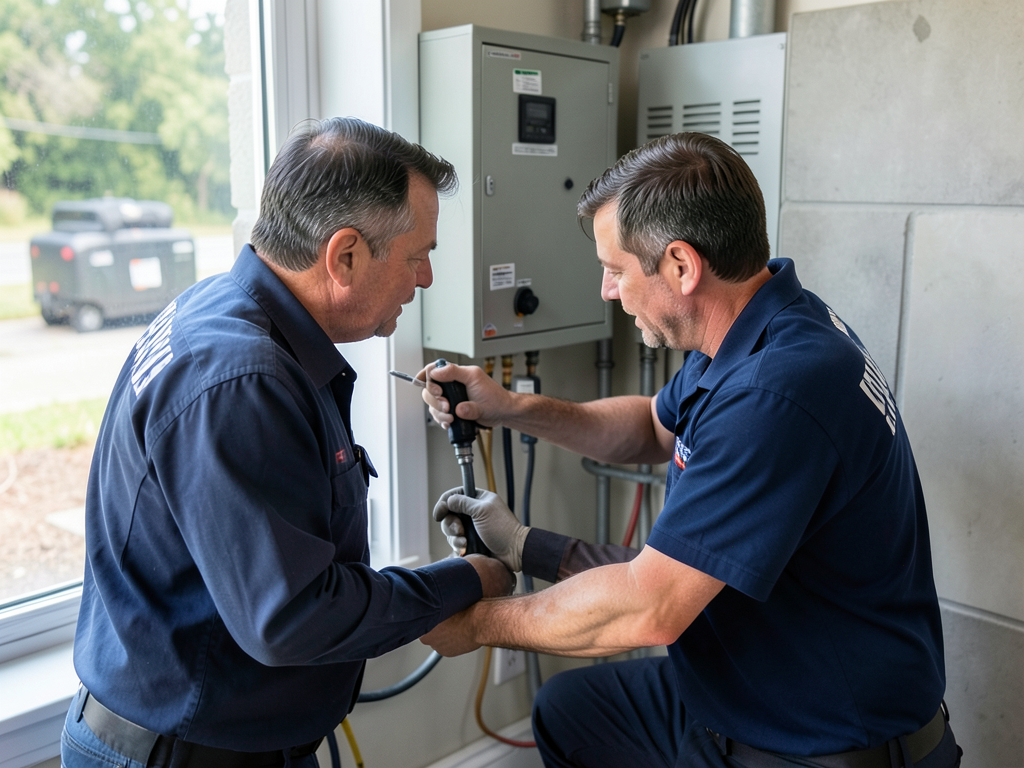
Keeping Your Home Warm During a Power Outage with HVAC Backup Power in Shoreview When winter storms hit Shoreview and the power goes out your furnace shuts down immediately leaving your home vulnerable to freezing…
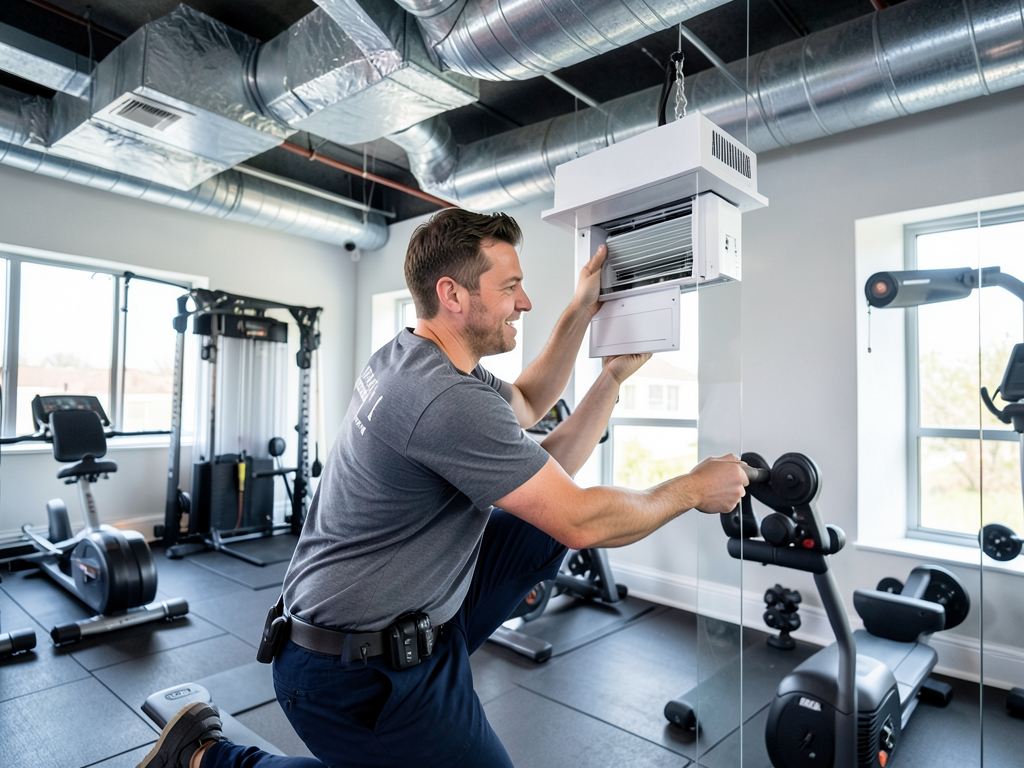
Building a Home Gym in Orono? Here's How to Keep It Comfortable Year-Round The Twin…
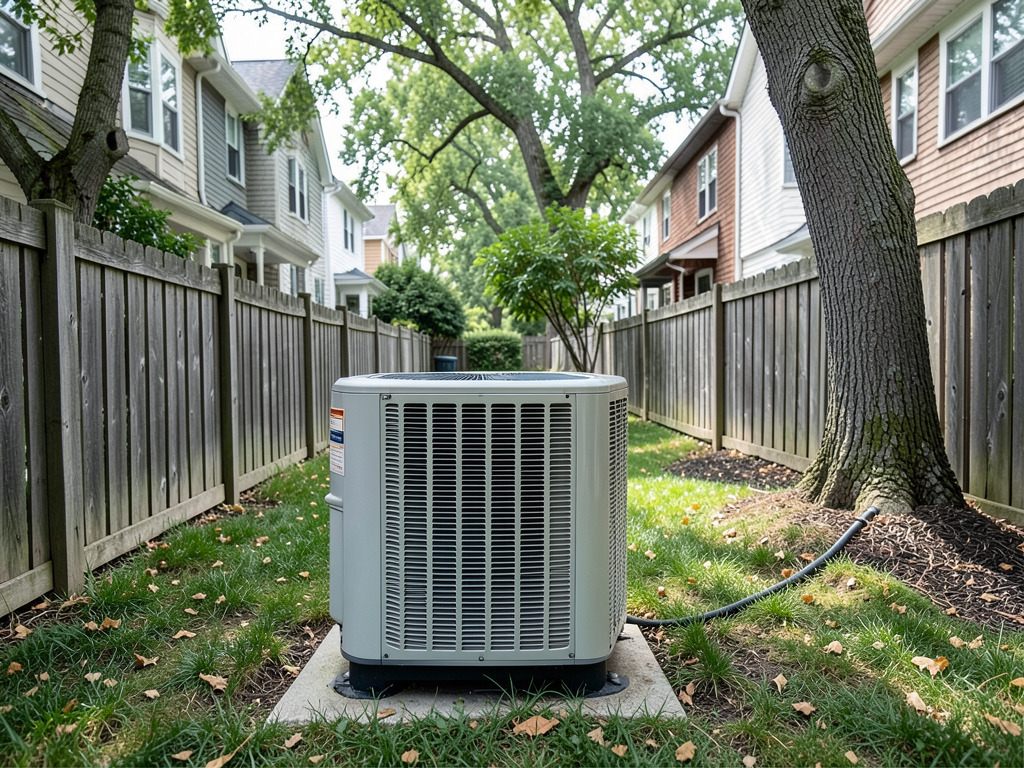
Living in Prospect Park means enjoying a tight-knit Minneapolis neighborhood where houses sit close together…
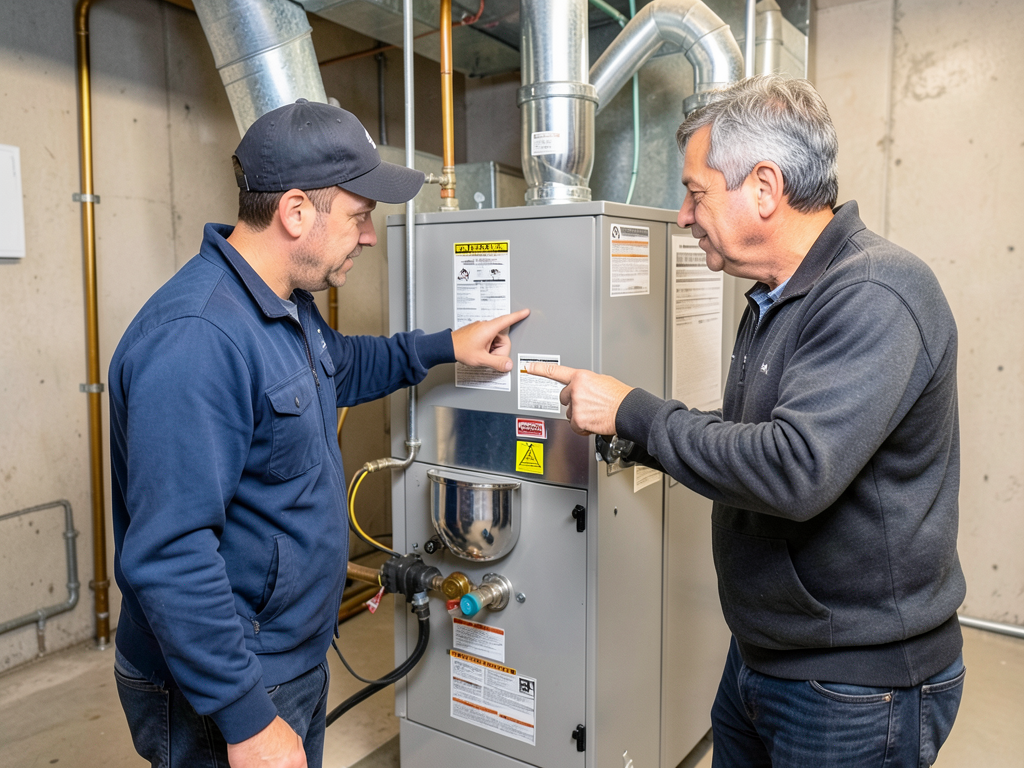
Choosing Between 80% and 96% Efficiency Furnaces for Your First Minneapolis Home Minneapolis winters are…
Your heating or cooling system needs attention now. All Pro HVAC Minneapolis is ready to help. We offer same-day emergency service, upfront pricing, and experienced technicians who get the job done right. Call (651) 588-9677 now to schedule service and restore comfort to your home.